

It was a Monday morning.
I bent down to pick up my car keys.
And for a few seconds, I couldn’t stand back up.
That kind of pain — the sharp, breathtaking kind that stops you mid-motion — was nothing new to me. I had lived with chronic lower back pain for eight years. But that morning, frozen in my kitchen doorway, keys on the floor, I thought: something has to change.
Over those eight years, I had spent more than $3,000 on pain medication, chiropractic visits, and physical therapy sessions. I had tried three different prescription medications, two over-the-counter brands, a $200 massage gun, and a TENS unit that lived in a drawer after the third use.
Nothing made the pain go away. The best I could hope for was a few hours of relief before it crept back in.
Then a friend texted me a link and said two words: just try it.
The Real Problem With How Most of Us Manage Back Pain
Before I talk about what finally worked, I want to be honest about how I got here — and why the standard approaches kept failing me.
For years, I relied heavily on NSAIDs — ibuprofen, naproxen, the usual suspects you grab off any pharmacy shelf. My doctor never flagged it as a problem. They worked well enough for a few hours. So I kept taking them, month after month, year after year. It felt like managing, but in hindsight I was just delaying a reckoning.
What I didn’t fully appreciate until much later were the longer-term consequences of what I was doing to my body.
Long-term NSAID use is associated with four serious risks most people don’t think about:
- Gastrointestinal damage — regular use gradually erodes the stomach lining, which can lead to ulcers and internal bleeding over time
- Cardiovascular strain — studies consistently link prolonged NSAID use to increased risk of heart attack and stroke, especially at higher doses
- Kidney damage — the kidneys work overtime to process these compounds; cumulative long-term use can measurably impair function
- Tolerance and dependency — your body adapts, quietly raising the threshold, meaning you need more over time to get the same relief
Physical therapy helped more than pills, I’ll give it that. My therapist was excellent and the sessions genuinely reduced my pain while I was attending. But at $90 to $120 per appointment — and with my pain pattern requiring twice-weekly visits — I was burning through money fast. Insurance covered some of it. Not enough. And the moment I stopped going consistently, the pain came back within two weeks, reliably, like it had been waiting.
I didn’t need a better version of what I already had. I needed something that worked differently at a more fundamental level.
The Day I First Tried Kailo
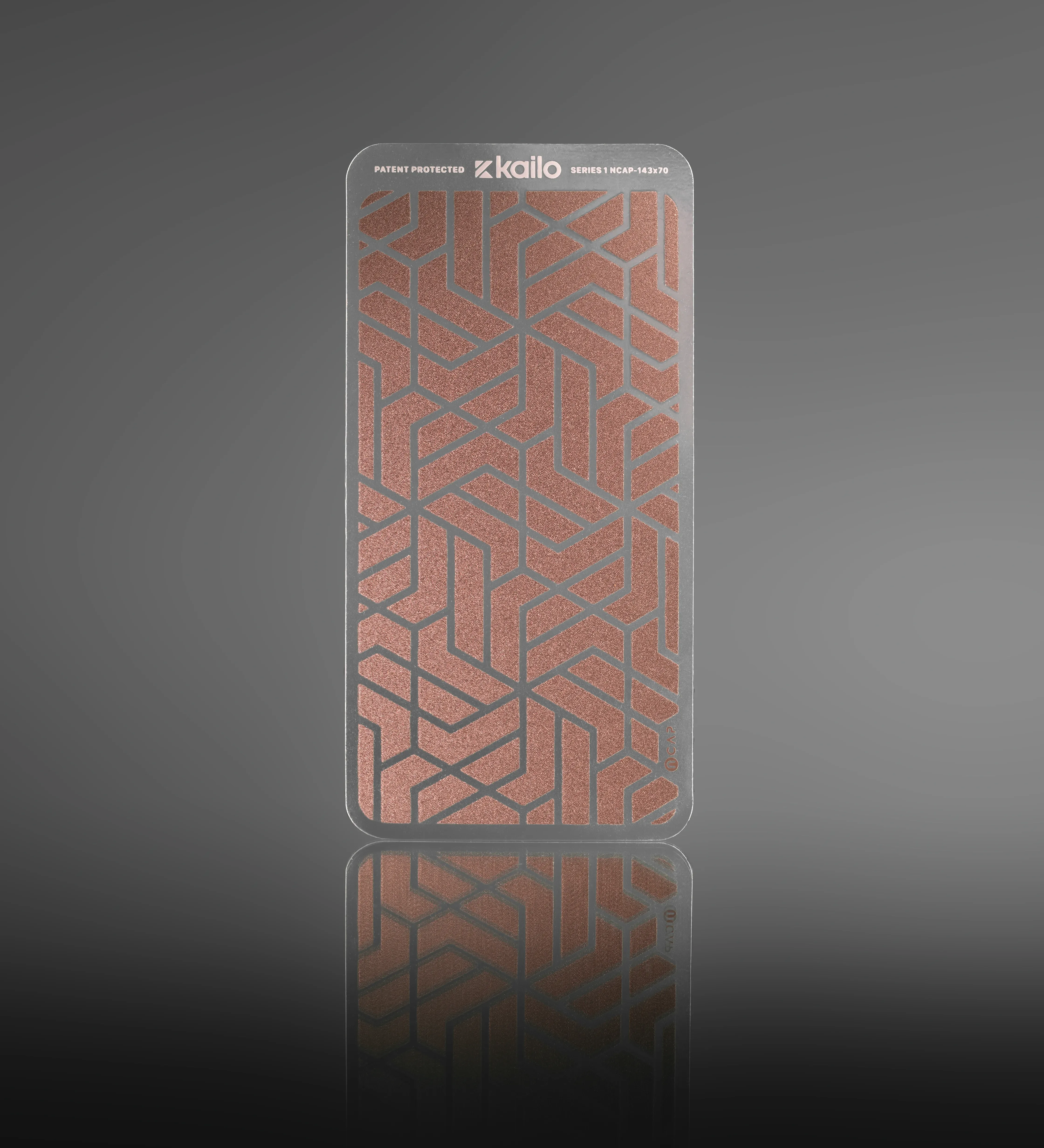
The package arrived on a Wednesday afternoon. I opened it expecting something that looked vaguely medical — a bulky pad, some gel electrodes, a set of wires, a charging cable. Instead, I pulled out what looked exactly like a thin, flexible credit card with a circuit-board pattern printed on it.
My first thought, honestly, was that I’d been had.
I read the instructions anyway. Peel the backing. Apply to skin near — not necessarily directly on — the area of pain. Slide it slowly until you find the position that feels right.
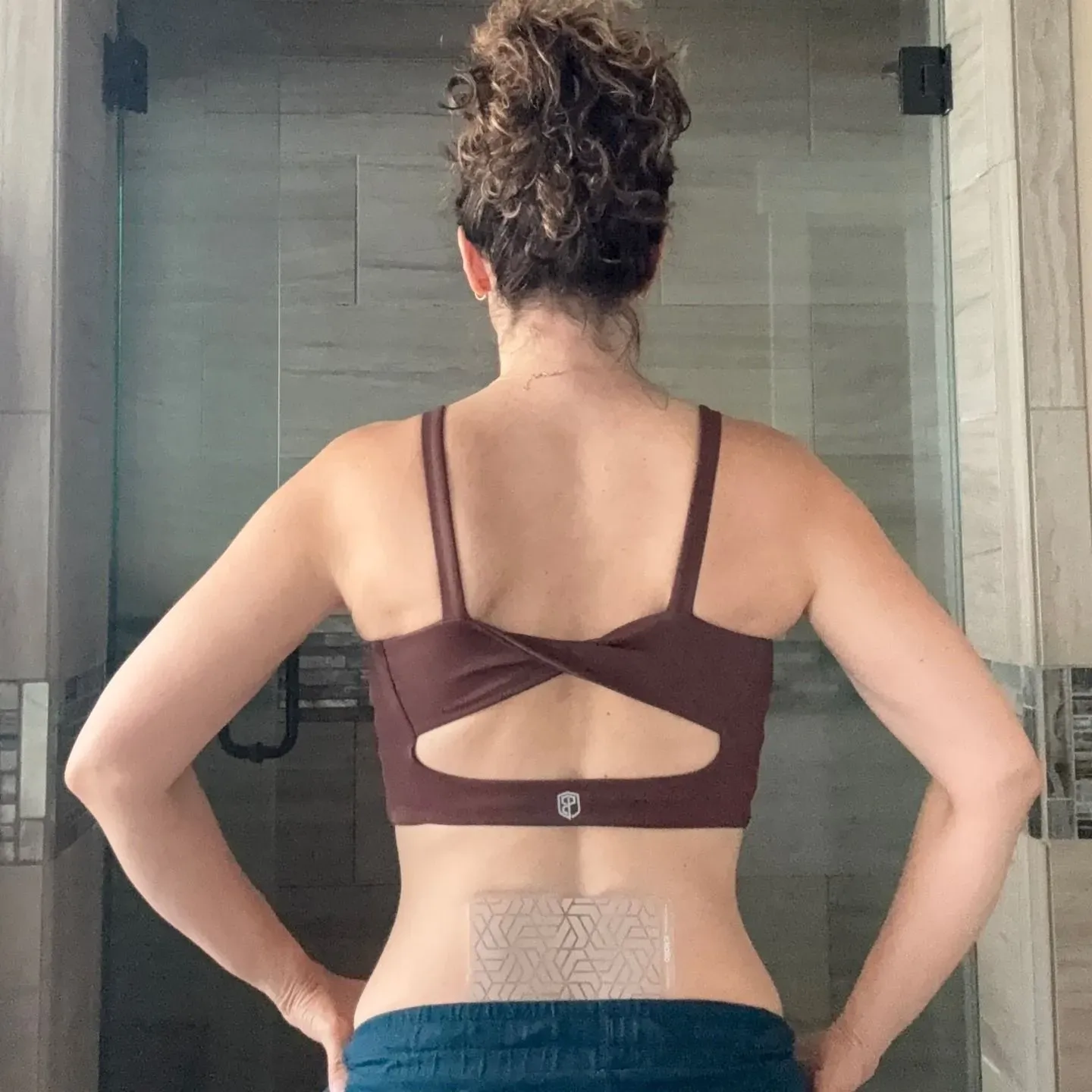
I stuck it on my lower left side, where most of my pain concentrates.
Nothing.
I shifted it two inches toward my spine.
And then something happened that I wasn’t prepared for.
It wasn’t dramatic. There was no zap, no warming sensation, no tingle. It was quieter than that — more like the sharp edge of the pain softened, the way a sound drops when you close a window. The grinding pressure didn’t vanish. But it pulled back. Noticeably.
I stood up from my chair slowly, waiting for the familiar pull when I straightened. It was still there, but it had dropped — maybe forty percent of its usual intensity.
That was approximately two minutes after I put it on.
What’s Actually Happening — The Science
I went down a research rabbit hole that evening. I wanted to understand what was actually going on before I let myself get too excited.
🔬 How Kailo works: The patch contains a nano-capacitor array — thousands of microscopic capacitors embedded in a thin, flexible substrate. When placed against the skin, these interact with the body’s natural bioelectric field. The technology works by disrupting the electrical pain signals traveling from damaged tissue toward the brain — intercepting the message before it fully registers as acute pain. There are no drugs, no heat, no chemicals absorbed through the skin, and no electrical current. The mechanism is entirely passive. U.S. Patent: US10707570B1.
I’ll be transparent: I’m not a scientist, and I can’t independently verify every claim in the research. What I can tell you is that the mechanism is fundamentally different from anything I had tried before. It doesn’t reduce inflammation. It doesn’t numb tissue. It works at the signal level — which is why placement matters, why different people sometimes take a minute to find the right spot, and why the relief feels different from pharmaceutical relief. Less like being drugged into not caring and more like the pain signal genuinely dropping in volume.
How to Use It — It Takes About 90 Seconds
One thing I genuinely appreciated was how simple the process is. There’s no charging, no pairing to an app, no warm-up period. The learning curve is just finding your placement.
Identify the pain area and place the patch nearby
Start close to — but not necessarily directly on — where the pain originates. Kailo works by interacting with the nerve pathway, not just the surface of the discomfort. Think of it as finding the signal rather than the source.
Slide it slowly to find the “sweet spot”
Move the patch an inch at a time across your skin. Most people find the optimal position within 60 to 90 seconds. When you land on it, the pain noticeably softens — you’ll know when you’re there.
Secure it and go about your day
Use the included adhesive backing or wear it under clothing. It’s water-resistant and flexible enough to move naturally with your body. One patch is designed to last for years with normal daily use.
My 30-Day Experience — What Actually Changed

I decided to keep actual notes on this. I wanted to know if the first afternoon was a fluke. Here’s an honest account of what happened over thirty days.
Week 1 — Cautiously Adjusting
I wore the patch every day, spending the first few minutes of each morning finding the position that worked for that day. By day three, I had identified a consistent placement that reliably reduced my worst pain window — the 9 to 11 AM stretch after sitting in my car for the commute. I was still taking ibuprofen during this first week, but I cut it from three doses a day down to one, sometimes none. The pain had a ceiling now. It still rose, but it stopped spiking.
Week 2 — The Shift I Didn’t Expect
This is the part I find hardest to describe without sounding like I’m exaggerating. Halfway through the second week, I realized I had gone an entire Tuesday without thinking about my back. Not because I was distracted by work. Because there was genuinely less to think about. I bent down to load the dishwasher, stood back up, and it wasn’t until I was already upright that I realized I hadn’t braced myself first. I had just moved, the way I used to move eight years ago.
That sounds small. It was not small.
Day 30 — The Real Test
I took a three-day work trip at the end of the month. I packed my bag. I did not pack ibuprofen.
That had not happened in eight years. I would have told you it wasn’t possible.
I wore the Kailo patch through two flights, two full days of conference sessions that meant standing, sitting, walking, and more sitting, and an afternoon of walking around a city I didn’t know. By the end of day three, my back was tired — the normal tired that comes from travel and long days, not the grinding, sharp pain I had come to expect. I came home feeling something I hadn’t felt after a trip in a long time: fine.
Kailo vs. Traditional Pain Management
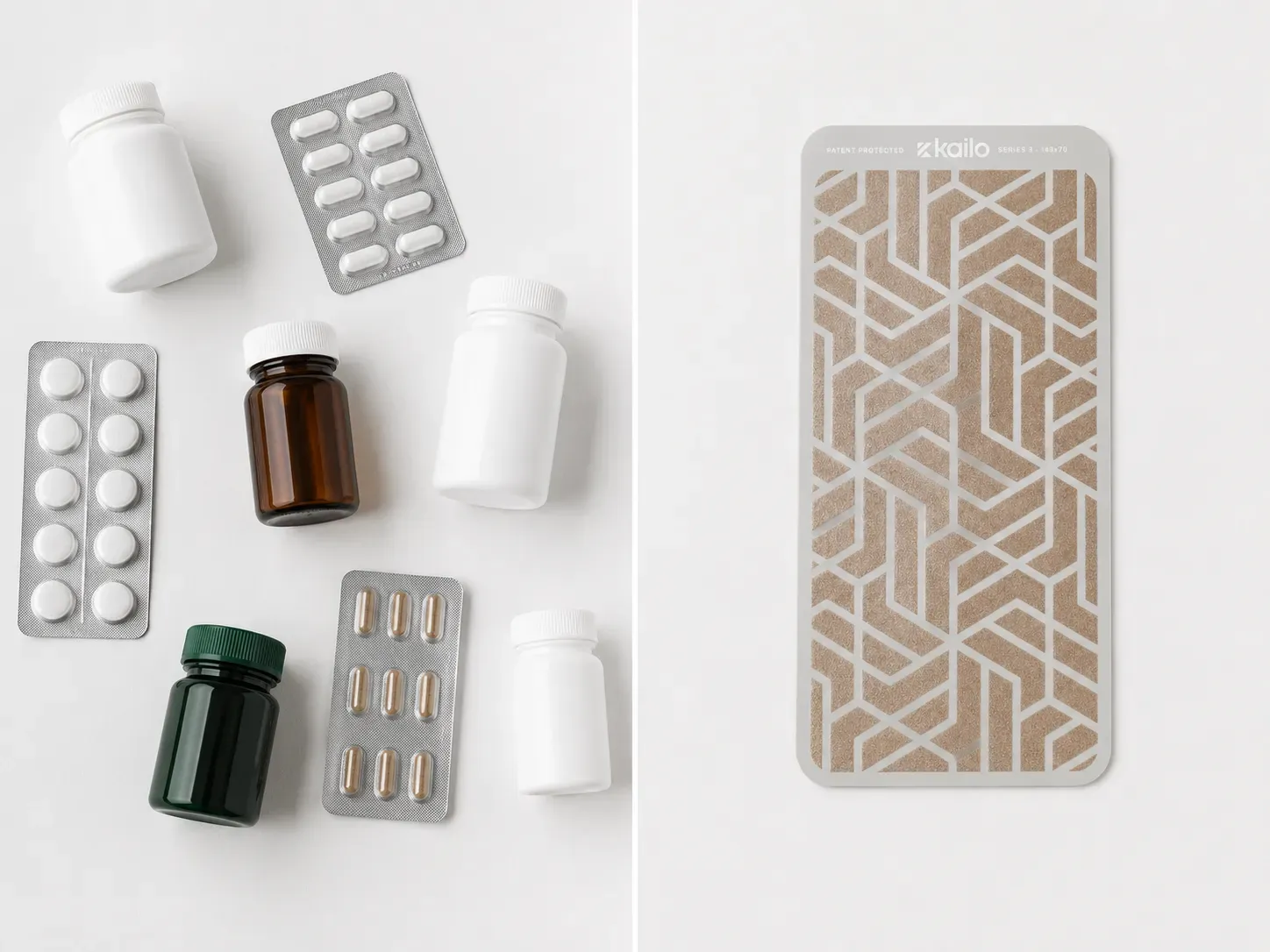
Here is the honest comparison I wish I’d had eight years ago:
| Kailo | Painkillers | Physical Therapy | |
|---|---|---|---|
| Side effects | None | Gastrointestinal, cardiovascular, kidney risk | Minimal; possible post-session soreness |
| Dependency risk | None | High with prolonged use | Low |
| Cost over 1 year | ~$99 one-time | $200–$600+ (OTC) | $5,000–$10,000+ |
| Time to relief | 2–10 minutes | 20–45 minutes | Weeks of consistent sessions |
| Convenience | Wear all day, anywhere | Limited by dosing intervals | Requires scheduled appointments |
What Real Customers Are Saying
“I’ve had fibromyalgia for twelve years and I’ve tried everything on the market. Kailo is the first thing I’ve used that doesn’t come with a list of trade-offs. I put it on my shoulder and within five minutes the constant aching dropped to almost nothing. I order extras now so I always have one at home and one in my bag.”
— Sandra M., retired teacher ✅ Verified Purchase
“As a construction worker my knees have taken a serious beating over 20 years. My buddy convinced me to try it — I was skeptical. I put it just above my knee, moved it around for maybe a minute. I stood up and walked across the job site without limping. I’ve worn it every working day for four months now.”
— Derek H., construction foreman ✅ Verified Purchase
“I tried it mostly because of the 90-day guarantee. Worst case I get a refund. It took me a few tries to find the right placement for my neck and shoulder — but once I did the difference was real. I sleep through the night now. I haven’t done that consistently in three years.”
— Rachel T., nurse practitioner ✅ Verified Purchase
Who Kailo Is Right For — And Who It Might Not Help
Kailo is likely a good fit if you:
- Deal with chronic, localized pain — back, neck, knee, shoulder, hip
- Are looking for a drug-free option due to health concerns, medication interactions, or personal preference
- Have tried multiple solutions without lasting results
- Travel or work in situations where taking pills on a schedule isn’t practical
- Want something low-maintenance that works without much daily management
Kailo may not be the right solution if you:
- Are dealing with acute traumatic injury that needs immediate medical evaluation
- Have pain that is diffuse or widespread with no clear localized source
- Have a pacemaker or any implanted electronic device — consult your doctor first
- Expect the experience to feel like a pharmaceutical — it works differently and requires a moment to find placement
- Need relief in the next thirty seconds before you’ve had any time to position it
Final Thoughts
I want to be careful not to oversell this, because I understand how it sounds.
A patch. No drugs. Relief in two minutes.
I would have been skeptical too. I was skeptical. My friend had to text me twice before I even clicked the link.
But thirty days later, I’m traveling without ibuprofen. I’m bending down without bracing myself. I’m sleeping through the night more nights than not — which, after eight years of waking up at 3 AM with my back locked up, feels almost unreal.
The technology is patented and real. The 71% pain reduction in clinical trials is documented. And the relief I experienced personally was consistent enough across thirty days that I can’t attribute it to placebo.
If you’ve been managing chronic pain the way I was — layering medications onto more medications, budgeting around appointments that only work as long as you keep attending, planning your days around when the ibuprofen kicks in — I think Kailo is worth ninety days of your honest attention.
The guarantee means you lose nothing by trying. That’s the argument that convinced me, and it’s the one I’ll pass on.
Up to 50% Off — Limited Time
90-day money-back guarantee · Free shipping · Used by 1M+ people
Claim My Kailo →If it doesn’t work for you, you get every dollar back. No questions asked.
These statements have not been evaluated by the Food and Drug Administration. This product is not intended to diagnose, treat, cure, or prevent any disease. Individual results may vary. The experiences described in this article reflect personal use and are not a guarantee of results. Consult your healthcare provider before making any changes to your pain management routine.